The event brought together researchers, industry representatives and European innovation initiatives to explore the latest developments in artificial intelligence, data and robotics, with a particular focus on translating technological advances into real-world applications.
Representatives from Eurecat, Signify and Michelin contributed to several workshops and strategic sessions addressing key challenges for the development and deployment of AI-enabled robotic systems.
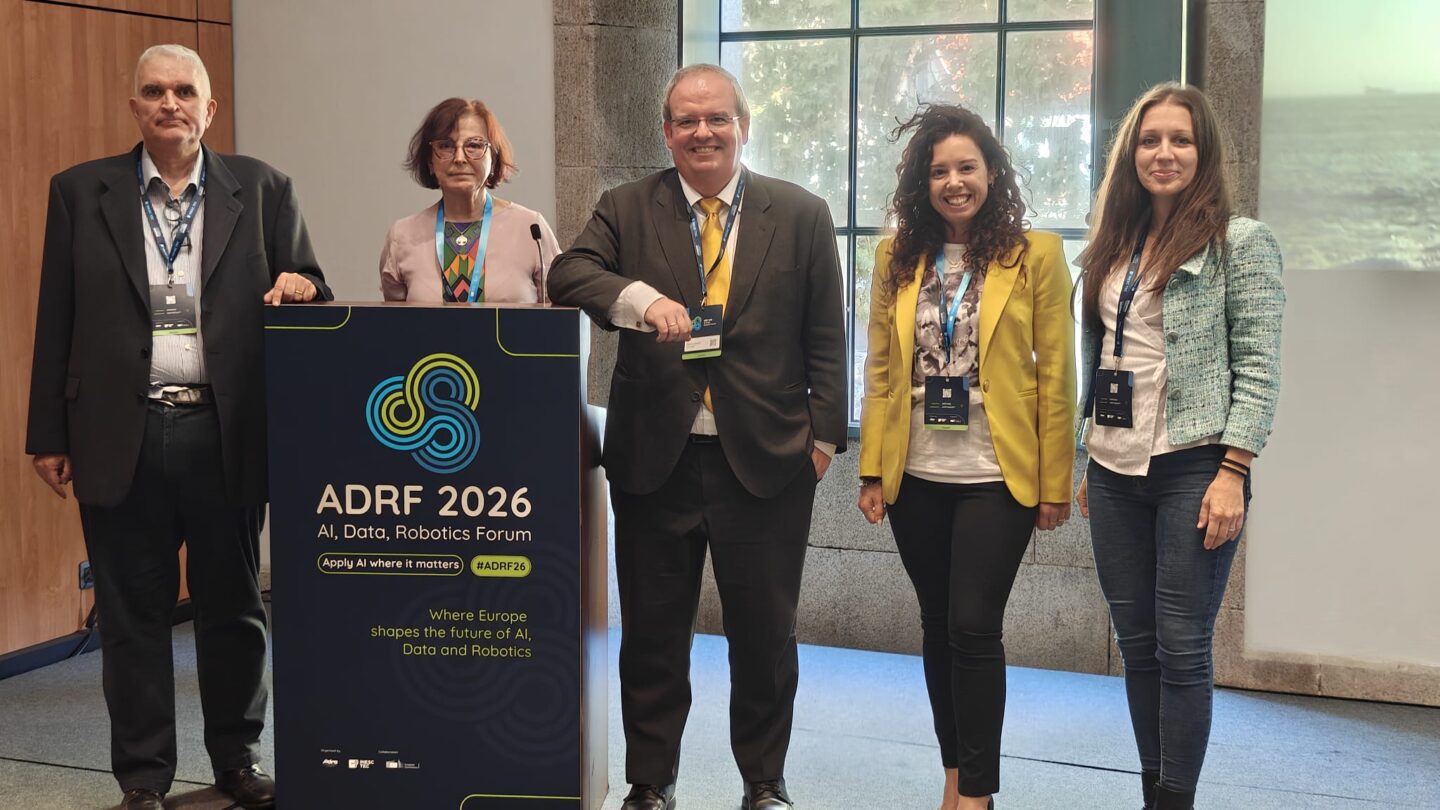
On 13 October, Néstor García from Eurecat participated in the GenAI4EU Central Hub session, connecting European initiatives working to accelerate the development and adoption of generative AI technologies. He also joined the session “Apply AI in Robotics and Manufacturing”, organised in connection with GRAIL and its sister project euroFMX, alongside representatives from Signify Koen van Os and Bruno Arias from Michelin. The discussion explored industrial applications of AI and opportunities to bring advanced research closer to manufacturing environments.
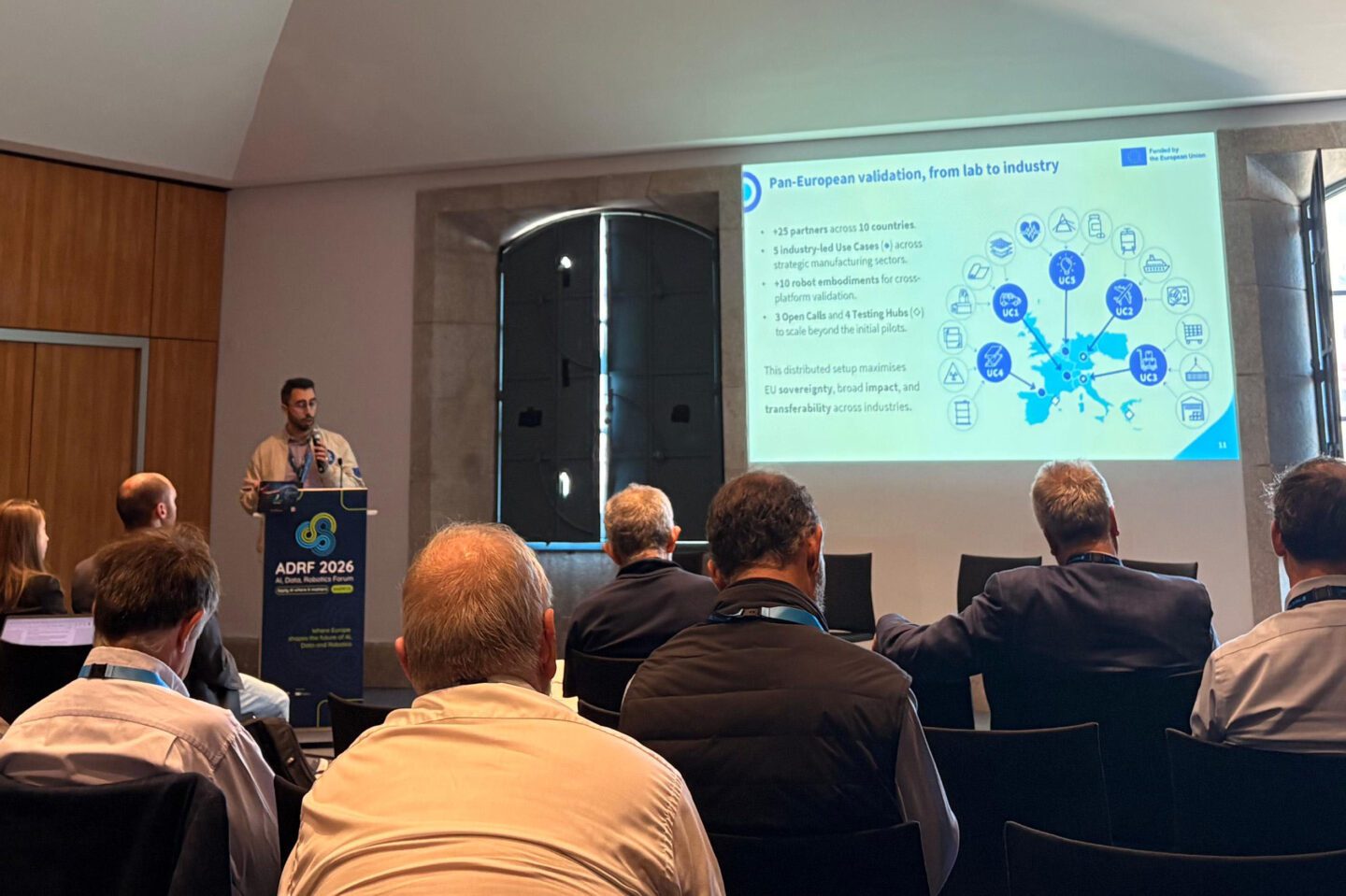
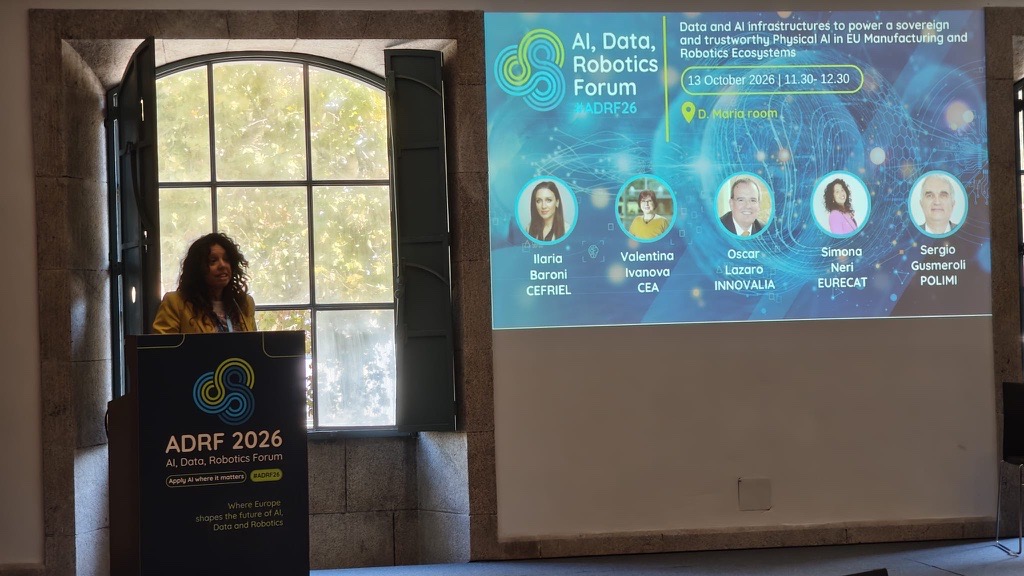
During the same day, Simona Neri from Eurecat contributed to the workshop “Data and AI infrastructures to power a sovereign and trustworthy Physical AI in EU Manufacturing and Robotics Ecosystems”. The session highlighted the role of European data and AI infrastructures in enabling reliable, secure and sovereign robotic systems, featuring GRAIL and euroFMX among the European projects advancing trustworthy generative AI for robotics and industrial automation.
On 14 October, Néstor García participated in the workshop “When Robots Learn to Interact: Foundation Models for Human-Robot Collaboration and Dexterous Manipulation in Healthcare and Industry”. The session addressed how foundation models can enhance robotic capabilities such as dexterous manipulation, adaptive task planning, semantic perception and learning from demonstration. These research areas are closely aligned with GRAIL’s ambition to develop a general-purpose foundation model that enables robots to learn, adapt and perform complex tasks across different environments.
Also on 14 October, Simona Neri joined the workshop “Trustworthy and Sovereign Industrial Agentic AI: Digital Twins, Standards and Governance”, which explored the role of digital twins, interoperability, standards and governance in supporting the safe and scalable deployment of autonomous AI systems in industrial environments.
Through its participation in ADR Forum 2026, GRAIL strengthened its connections with the European AI, Data and Robotics ecosystem, fostering exchanges with complementary initiatives and highlighting the importance of combining advances in foundation models with trustworthy infrastructures, real-world validation and industrial adoption.