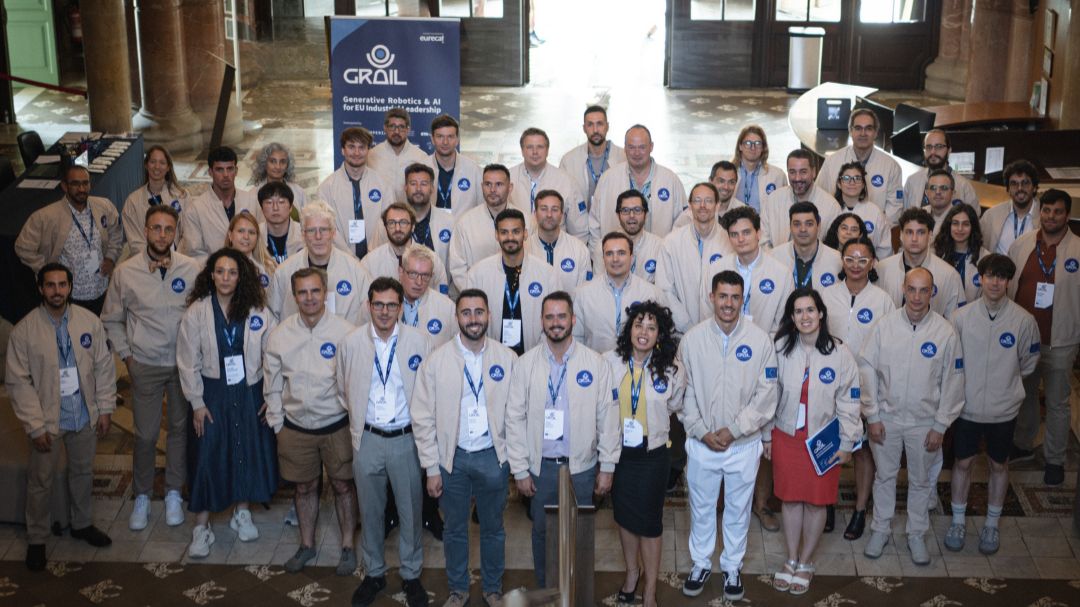
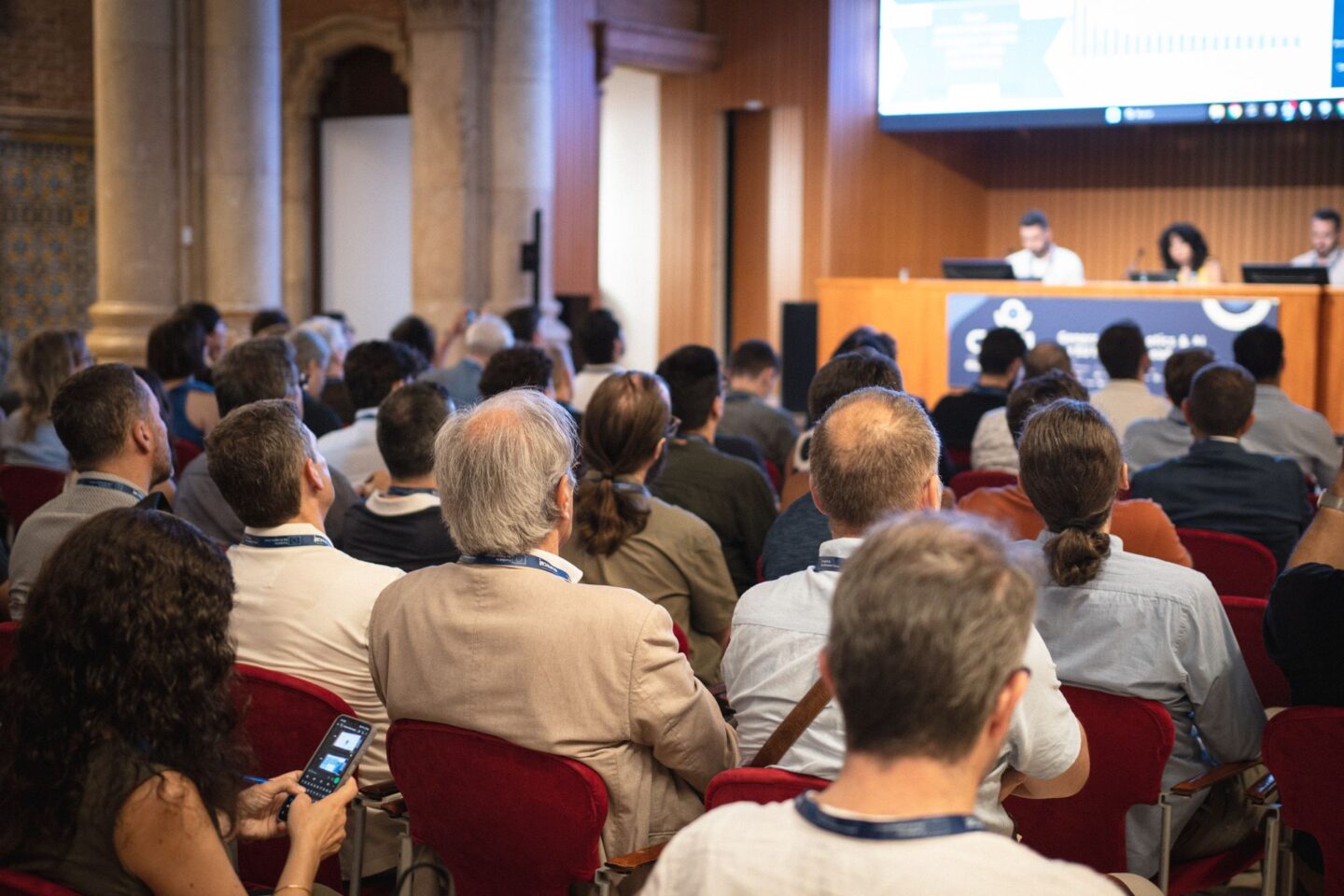
This foundation model, to be developed within the European GRAIL consortium coordinated by Eurecat and presented today in Barcelona, “will be trained with large volumes of data from different environments, tasks and types of physical interaction. This will provide a common basis for robots to understand how to interact with the physical world in a reliable and adaptable way,” explains Néstor García, co-coordinator of the European project and head of Eurecat’s Robotic Manipulation group.
According to Daniel Serrano, director of Robotics and Automation at Eurecat, the system “will serve as a technological foundation applicable to different types of robots, such as industrial arms, collaborative robots and humanoid platforms”.
This will make it possible “to use previously acquired knowledge and skills and adapt them to new tasks or situations, reducing preparation time and facilitating deployment across different industrial sectors, in order to maximise impact on the economy and society”.
Magí Dalmau, co-coordinator of GRAIL and head of Eurecat’s Cognitive Robotics group, says the creation of this major European model “will help move towards robots that can better understand their environment, plan their actions and carry out tasks more autonomously, always with mechanisms that allow people to supervise their behaviour and intervene when necessary”.
The initiative will therefore contribute “to strengthening European industrial sovereignty by promoting the development of Europe’s own solutions in artificial intelligence and advanced robotics,” says Simona Neri, project co-coordinator and Innovation Manager of Eurecat’s Robotics and Automation Unit. The aim, she adds, is for “European industry to have access to reliable and competitive technologies, while reducing dependence on external models and platforms”.